
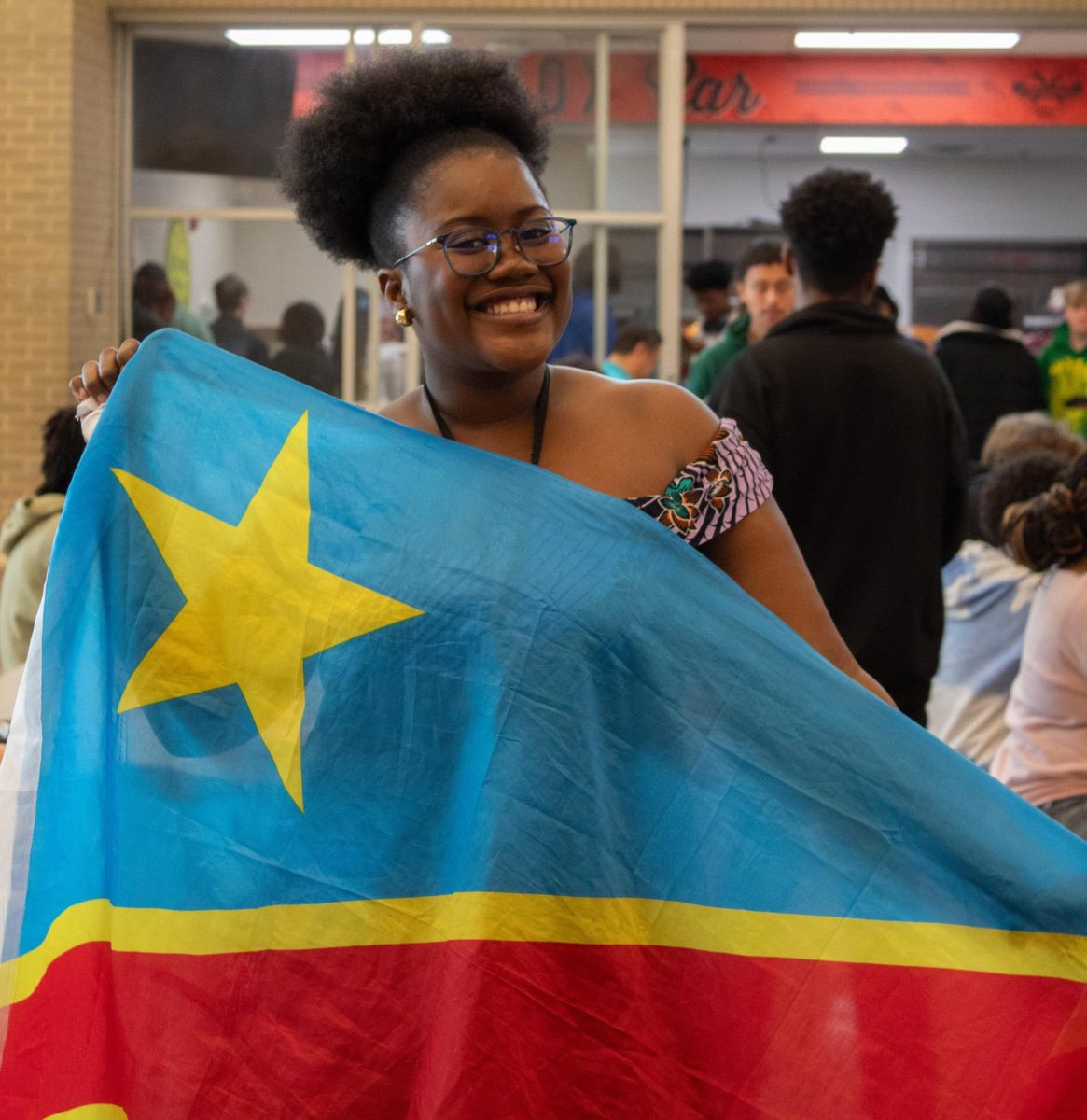
Throughout history, Black people have shown a resilient spirit. They have continuously overcome systemic oppression to create a community that allows them to thrive. Despite a world still shaped by the scars of the past, Black communities continue to celebrate their culture and honor their past. Black History Month is celebrated to acknowledge and honor the contributions of Black people in history.
At Lake Ridge, administration has worked to honor Black history through spirit dress up days. These themed days give students a way to express their heritage in a space where it’s sometimes overlooked. Sophomore D’nyiah Paxton, believes that school dress up days promote cultural pride and engagement.
“Black History Month to me, I feel like it’s an appreciation for Black culture and the historical background of Black people and their accomplishments. I like how Lake Ridge chooses to celebrate Black History Month every day. The themed days are fun ways to get students to engage. It lets students wear their cultural clothes without being judged and it appreciates the different cultures of Lake Ridge students,” Paxton said.
Administrators have worked hard to help Black history celebrations at school be more inclusive. They work hard to transform the school’s celebration of Black History Month into a more interactive experience, creating a fun, engaging, and judgment-free space for students to express their cultural identities. Assistant Principal Derek Odelusi has helped Black history celebrations extend beyond the school sponsored events.
“This is my third year at Lake Ridge. My first year, all that was done was announcements then last year, what we wanted was things to be a little bit more robust. So we made plans. We made a dress up calendar. We continue to do morning announcements, we coordinated with Eagle Media. The last week of February, we do lunch performances where students are on stage. It might be the step team this year, could be a gospel choir, or it might be an African cultural dance that gets displayed, or even an HBCU fair, we just try to give everybody a chance to try to embrace different aspects of the culture,” Odelusi said.
Beyond Black History Month celebrations, Lake Ridge encourages self-expression in extracurricular activities. For example, the Distinguished Gentlemen Step Team provides a vital space for students to feel supported, seen, and empowered. By honoring deep rooted, rhythmic traditions of step, the team fosters a strong sense of cultural identity, shared purpose, brotherhood, and greatness among its members. Sophomore Micheal Wright has quickly become a passionate member of the team. Wright speaks on why stepping as an art form is important to Black celebration.
“Stepping is a dance style that involves body percussion, claps, stomps and vocalization. It’s significant to the Black community because it traces back to African roots, where they would use stomps, claps, and vocalization to do performances. When new members join they tell us the history about the team and how step is significant to the community,” Wright said.
The push for inclusive education reflects a larger historical movement. In the past, students worked together to coordinate strikes advocating for inclusive education. Today, educators like Prince Nydua advocate for courses that challenge mainstream curriculum that often overlook Black experiences and history. He believes increasing representation in higher education is key to breaking barriers and opening doors for future generations.
“Growing up in school, all you hear about is all of these pioneers that paved the way for Black people, but we don’t talk about the struggle. We didn’t talk about how to deal with racism, or about how a Black person in America has to go through certain doors. We don’t talk about how, the higher up you go on the education level, the less Black people that you see,” Nydua said. “I think a lot of times it is overlooked, people don’t want to talk about it, in the Black community. We need a lot of Black students with degrees. We need a lot with PhDs. We have to open the door for other Black people to step through those opportunities, so it’s just about breaking down barriers, really.”
Learning Black history is important, not just during Black History Month. It’s important to acknowledge contributions Black people have made in American history year round. Tia Lynch wants Black history education to be taught beyond February, ensuring it is acknowledged throughout the year.
“It’s important to celebrate Black History Month because of how forgotten it was in history. I think that Black history is American history, but because there was such a lack of Black history in the years before, it’s best to catch up now while we can. We shouldn’t just dedicate one month to Black history,” Lynch said.
While Black History Month gives more opportunities to share culture, celebrating Black history is not confined to one month. Through education, activism, and cultural expression, students and staff continue to celebrate, honor, and share Black history year round.