
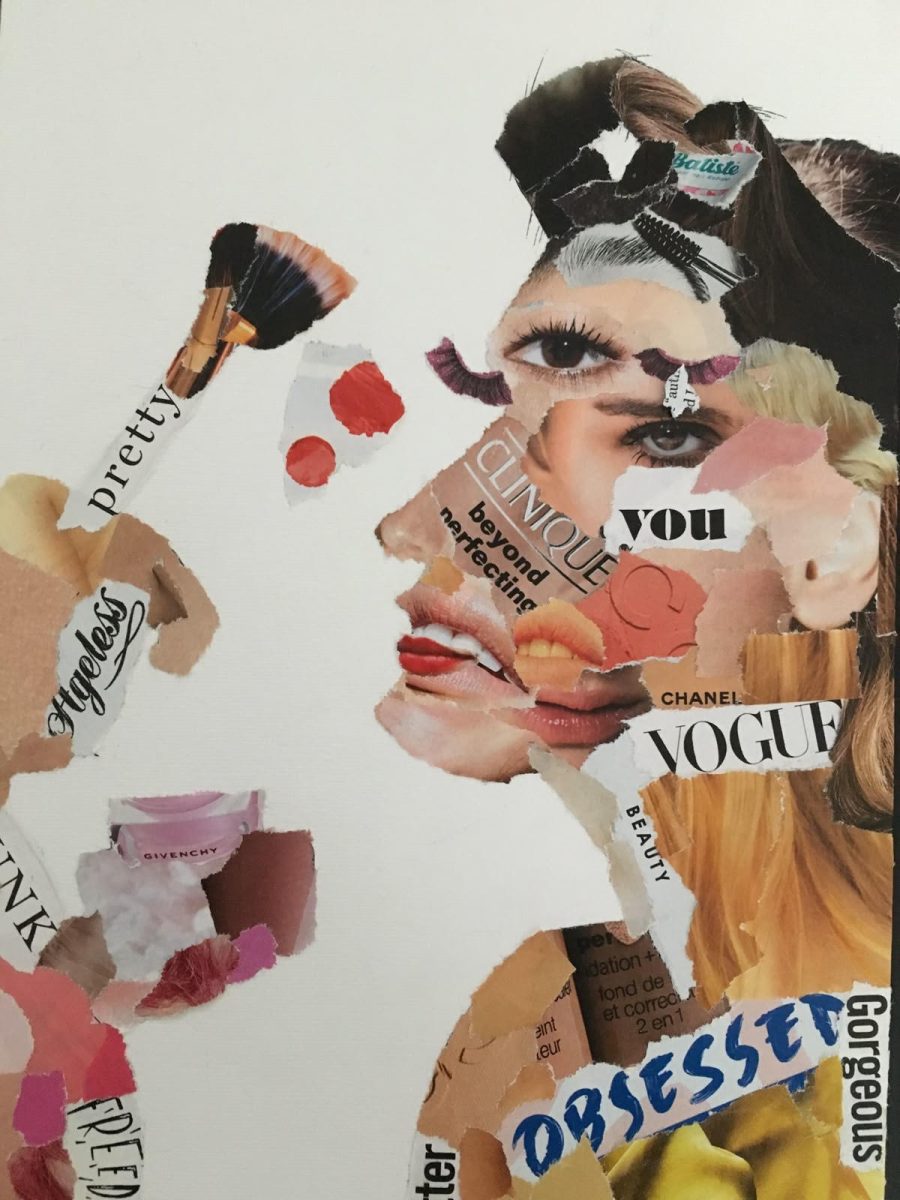
Beauty standards have existed for centuries. Throughout history, different cultures and time periods have made different standards to be beautiful. Whether it’s certain body types, hairstyles, or even clothing, society has always created expectations about how people should look. While these standards have changed over time, the pressure to meet them continues to exist today.
In modern times celebrities, models, and public figures often influence what is considered attractive. Beauty standards are everywhere, not just online, but in stores, in advertisements, in entertainment, and even in casual everyday conversations. As photo editing and AI grow on social media, it creates even more unattainable standards. When these images are constantly promoted, they can create unrealistic expectations. Many young individuals, especially teenagers, may feel like they have to change themselves to fit into what is currently popular. Trends move quickly, so certain features, such as clear skin, thin body types, and specific styles, are constantly being idealized on social media. Sophomore Tia Lynch shares how she feels social media affects standards.
“If an influencer changes her hairstyle, then these platforms are gonna uplift that influencer by bringing in more money and then more views. And all these other people see it, and they’re like, ‘Wow, I want to try this. Because if this popular influencer is doing it then it’s cool, so I’m gonna do it.’ Are there certain trends that promote diversity, or do they just create new standards?” Lynch said.
From a young age, people start comparing themselves to their classmates, celebrities, or influencers. Over time, constant comparison can affect confidence and self-esteem. It can start from a person feeling left out, to completely changing their identity for the validation of others. It’s important for adults to create an environment where kids can feel confident. Assistant Principal Eboni Cleshay believes it is important teachers work to help facilitate a safe and accepting environment.
“Spreading positivity and making sure that teachers and staff are highlighting what’s on the inside rather than the outside can help build students’ confidence beyond physical appearance,” Cleshay said.
While creating safe environments helps, it’s not the only fix to beauty standards. In recent years, there has been more conversation about body positivity, diversity, and self-acceptance. Brands and public figures are beginning to represent different body types, skin tones, and styles. This has begun creating a definition of beauty that is capable of expanding and becoming more inclusive. Lynch believes that even with beauty standards limiting self-expression, there are trends that promote diversity.
“There is definitely an effort to create more diversity and have different standards,” Lynch said.
Beauty standards don’t just apply to women, social media has also created images as to what a man should be. While the standards set for men may not be as rigid, they still feel the weight of expectations. There is a certain pressure on men to maintain a certain body type and be a strong figure. Joshua Thomas explains his perspective on male beauty standards.
“I think male beauty standards aren’t as inclusive as they should be, it is an important topic and should be talked about more commonly,” Thomas said.
Despite working towards a more inclusive world, beauty standards continue to affect others. While it seems difficult, breaking through unachievable standards is possible. As a society every individual can help change this problem by making an effort to be inclusive and accepting. By uplifting positivity and sharing the idea that appearances don’t determine the worth of an individual, every person can help to dismantle the beauty standards of society.